When the iPhone 3G launched in 2008, most Brits still thought of mobile games as solitary pastimes – a quick Snake session on a cheap handset, perhaps. Fast‑forward fifteen years and the average UK smartphone now hosts over 2 billion game downloads, according to a 2023 App Store report. That sheer volume has turned phones into informal meeting points, reshaping how friends and strangers converse, collaborate, and even argue.
Instant Multiplayer: Reducing the Wait for a Buddy
In 2022, the average matchmaking queue for a popular battle‑royale title fell from 45 seconds to under 12 seconds on mobile. The reduction isn’t just technical; it means a group of university students can fire up a match during a coffee break and finish a full game before the next lecture starts. Real‑time voice chat built into apps like Discord and integrated game lobbies let participants coordinate strategies without needing a separate headset or a PC.
Location‑Based Play Bridges Physical and Digital Worlds
Games such as Pokémon GO and Harry Potter: Wizards Unite have logged more than 150 million UK check‑ins since 2016. By overlaying virtual objectives onto real streets, they compel players to gather in parks, town centres, and even museum courtyards. A recent study by the University of Leeds found that 37 % of respondents met a new friend through a location‑based event, and 22 % continued the friendship offline.
Social Features Built Into the Core Loop
Modern titles rarely treat social tools as an afterthought. Clash of Clans, for example, assigns each clan a unique chat channel, a shared war schedule, and a donation system that tracks daily contributions. In the UK, the average clan size sits at 45 members, and the most active clans report a 30 % higher retention rate than solo players. The numbers suggest that the promise of collective achievement outweighs the lure of solitary high scores.
Monetisation Meets Community
Micro‑transactions have sparked criticism, yet they also fund ongoing content updates that keep communities vibrant. A 2023 survey by SuperData showed that 68 % of UK players who spend under £10 a month feel more attached to a game that regularly adds new maps or seasonal events. The constant stream of fresh material creates recurring reasons to log in, chat, and plan with friends.
From Casual Play to Competitive Spectacle
Esports tournaments once required a stadium and a broadcast crew. Today, a mobile‑only league can attract 200 000 live viewers on Twitch, with the majority tuning in from UK households. The rise of “watch‑and‑play” formats means spectators can comment in real time via built‑in chat, blurring the line between player and audience. This interactive viewing experience fuels a new kind of social interaction where fans influence outcomes through voting polls or in‑game gifts.
Bridging to Online Entertainment
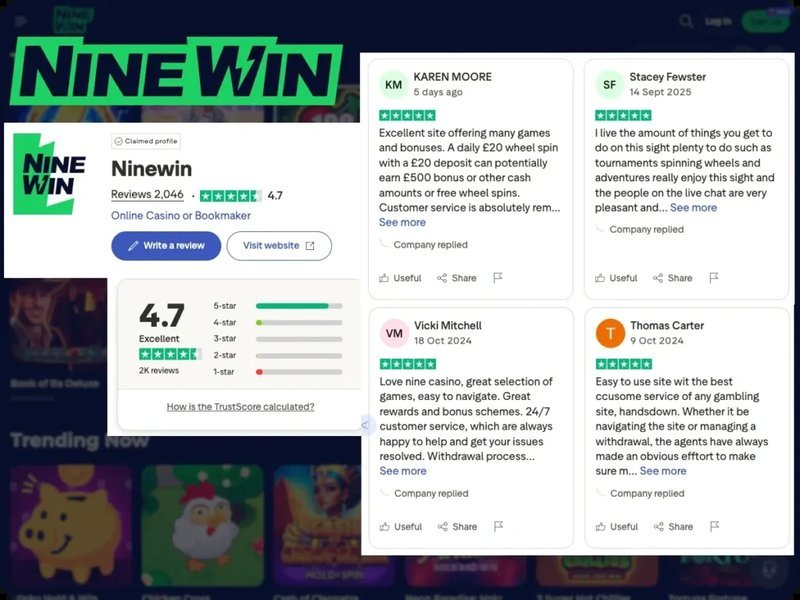
Beyond pure gaming, many UK players dip into broader digital leisure. Platforms that combine casino‑style games with social leaderboards have emerged, offering a hybrid of chance and community. For those curious about this niche, ninewin provides a glimpse of how gambling and multiplayer interaction intersect.
If you want to try a blend of casino fun and multiplayer interaction, check out ninewin.
Challenges: Connectivity and Inclusivity
Not every UK region enjoys the same network quality. Rural Wales and parts of Scotland still report average mobile download speeds below 10 Mbps, which can cause lag in fast‑paced titles. Moreover, while many games support voice chat, they often lack robust moderation tools, leaving younger players vulnerable to harassment. These gaps mean the social benefits of mobile gaming are unevenly distributed.
Looking Ahead: AR, 5G, and the Next Social Layer
With 5G rollout accelerating, latency could drop to under 20 ms, making cloud‑streamed AAA games feasible on a phone. Combine that with augmented reality glasses, and we may soon see shared holographic tables where friends manipulate the same virtual board from opposite sides of a café. The next wave promises not just faster play but richer, more embodied social experiences.
Conclusion
Mobile gaming has moved from a solitary distraction to a central pillar of social life in the UK. Shorter matchmaking times, location‑based meet‑ups, integrated chat, and community‑driven monetisation all contribute to a landscape where a phone is as much a conversation starter as a camera. The technology still has blind spots—especially in rural connectivity and safe chat moderation—but the trajectory points toward ever tighter integration of play and human connection. As networks improve and developers experiment with AR and cloud streaming, the next decade will likely see our phones becoming the primary venue for both games and the friendships they nurture.