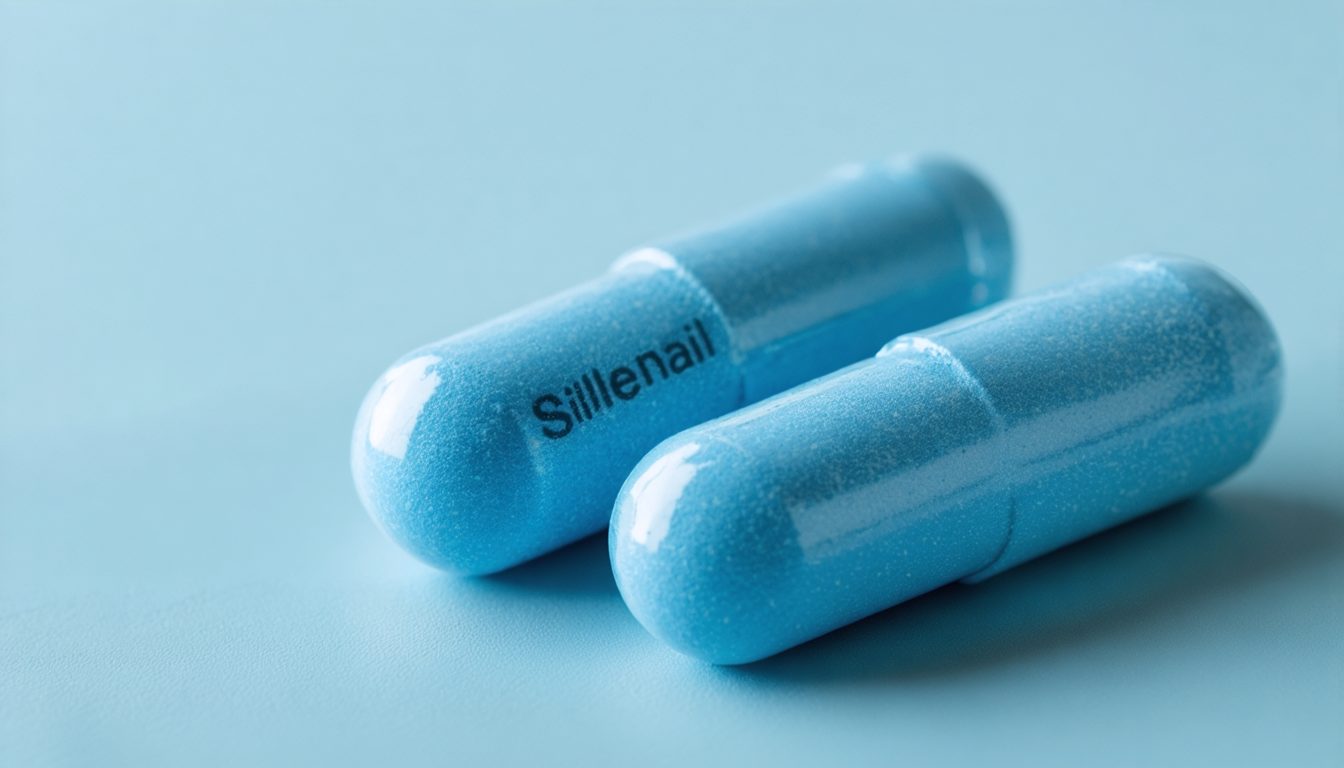
Sildenafil — answers to the main questions
Disclaimer: This material is for informational purposes only and does not replace consultation with a qualified healthcare professional. Do not start or stop any medication without medical advice.
Frequently asked questions
What is sildenafil?
Sildenafil is a prescription medication best known for treating erectile dysfunction (ED). It belongs to a group of drugs called phosphodiesterase type 5 (PDE5) inhibitors. Under certain brand names, it is also used to treat pulmonary arterial hypertension (PAH).
How does sildenafil work?
The drug increases blood flow by relaxing smooth muscle in blood vessel walls. In erectile dysfunction, it enhances the natural response to sexual stimulation. In pulmonary hypertension, it helps reduce pressure in the blood vessels of the lungs.
Why does erectile dysfunction happen?
ED can result from reduced blood flow, nerve damage, hormonal imbalance, stress, anxiety, or chronic conditions such as diabetes and cardiovascular disease. Lifestyle factors—smoking, alcohol misuse, physical inactivity—also play a role. Sildenafil addresses the blood flow component but not all underlying causes.
How quickly does sildenafil work and how long does it last?
For ED, it typically starts working within 30–60 minutes. The effect can last up to 4 hours, though this varies between individuals. Sexual stimulation is still required for it to be effective.
Is sildenafil the same as “Viagra”?
Viagra is a brand name for sildenafil citrate. There are also generic versions containing the same active ingredient. Generics are considered therapeutically equivalent when approved by regulatory authorities.
What are the common side effects?
Common reactions include headache, facial flushing, nasal congestion, indigestion, and dizziness. Some people report visual changes such as a bluish tint or increased light sensitivity. Most side effects are mild and temporary.
What are the dangerous side effects?
Seek urgent medical help for chest pain, sudden vision or hearing loss, fainting, or an erection lasting more than 4 hours (priapism). These are rare but potentially serious complications. Immediate evaluation is necessary to prevent long-term damage.
Who should not take sildenafil?
People taking nitrates (for chest pain) or certain heart medications should not use it due to the risk of severe blood pressure drop. It may also be unsuitable for individuals with recent stroke, heart attack, severe liver disease, or certain eye conditions. A healthcare provider must assess individual risk.
Can sildenafil be taken with alcohol?
Small amounts of alcohol may not cause serious problems, but combining the two can increase the risk of low blood pressure, dizziness, and reduced effectiveness. Excessive alcohol can worsen erectile dysfunction itself.
Is it safe to buy sildenafil online?
It is safe only when purchased from licensed pharmacies requiring a valid prescription. Counterfeit products are common and may contain harmful or incorrect ingredients. Regulatory agencies warn against buying from unverified websites.
Can women take sildenafil?
Sildenafil is not routinely approved for sexual dysfunction in women. However, under specific brand names, it is prescribed for pulmonary arterial hypertension in both men and women. Use should always follow medical guidance.
When should I see a doctor about erectile dysfunction?
If ED occurs repeatedly, worsens, or is accompanied by other symptoms (chest pain, fatigue, depression), consult a healthcare professional. Persistent ED can be an early sign of cardiovascular disease or diabetes. Early evaluation improves overall health outcomes.
Detailed breakdown
1. Mechanism of action and medical uses
Sildenafil inhibits the PDE5 enzyme, increasing levels of cyclic guanosine monophosphate (cGMP). This leads to smooth muscle relaxation and improved blood flow. While widely recognized for ED treatment, it is also prescribed for pulmonary arterial hypertension under different dosing regimens and supervision.
Understanding how medications work is essential for safe use. You can explore more educational materials in our Health & Knowledge section.
2. Safety profile and contraindications
The most critical safety concern is interaction with nitrates and nitric oxide donors. Combined use can cause a dangerous drop in blood pressure. Caution is also advised in patients with cardiovascular disease, anatomical penile deformities, bleeding disorders, or those taking alpha-blockers.
Before starting therapy, a clinician typically reviews cardiovascular risk factors, current medications, and overall health status. Self-medication without assessment increases preventable risks.
3. Side effects: common vs. urgent
Most side effects are related to vasodilation—headache, flushing, nasal congestion. Visual disturbances occur due to mild PDE6 inhibition in the retina. These effects are usually short-lived.
Rare but serious events include non-arteritic anterior ischemic optic neuropathy (NAION), sudden hearing loss, severe hypotension, and priapism. Although uncommon, these require immediate medical evaluation.
| Symptom / situation | Urgency level | Where to seek help |
|---|---|---|
| Mild headache or flushing | Low | Monitor; consult primary care if persistent |
| Dizziness or lightheadedness | Moderate | Contact healthcare provider |
| Chest pain after taking the drug | High | Emergency department immediately |
| Erection lasting more than 4 hours | High | Emergency medical care |
| Sudden vision or hearing loss | High | Emergency medical care / ophthalmology |
4. Psychological and lifestyle factors
Erectile dysfunction is often multifactorial. Stress, anxiety, depression, and relationship issues may contribute. Lifestyle interventions—regular exercise, smoking cessation, balanced diet—can significantly improve sexual health and cardiovascular function.
If stress-related factors are involved, behavioral strategies and counseling may complement medical treatment. Broader wellness topics are discussed in our Lifestyle & Wellness articles.
5. Online purchasing and counterfeit risks
Due to high demand, sildenafil is frequently counterfeited. Fake products may contain incorrect dosages or harmful contaminants. Always verify that the pharmacy is licensed and requires a prescription.
Digital safety and health-related consumer awareness are also covered in our Public Information section.
Checklist: what you can do today
- Schedule a medical consultation if ED symptoms persist.
- Review your current medications for possible interactions.
- Monitor blood pressure regularly if you have cardiovascular risk.
- Limit alcohol intake.
- Stop smoking and increase physical activity.
- Manage stress through relaxation techniques or counseling.
- Purchase medications only from licensed pharmacies.
- Seek urgent help for chest pain, vision loss, or prolonged erection.
- Discuss underlying conditions such as diabetes or hypertension with your doctor.
Sources
- U.S. Food and Drug Administration (FDA) — Drug Safety Communications and prescribing information.
- European Medicines Agency (EMA) — Sildenafil product information.
- National Health Service (NHS, UK) — Sildenafil overview.
- American Urological Association (AUA) — Guidelines on Erectile Dysfunction.
- National Institute for Health and Care Excellence (NICE) — Erectile dysfunction management guidance.
- Mayo Clinic — Sildenafil (oral route) drug monograph.